It’s Dancing Time
Our take
## Our Take: The Enduring Spirit of Obon and the Heart of Hawaiian Culture
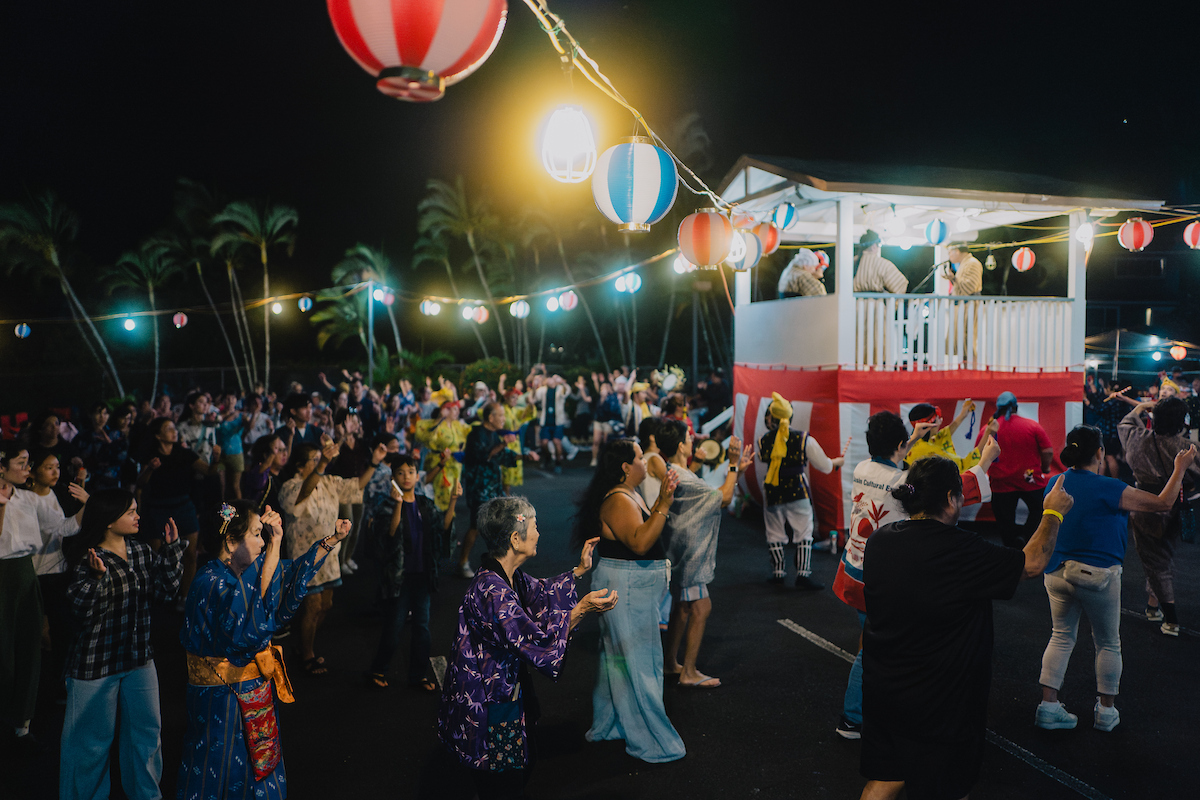
The vibrant pulse of summer in Hawai'i is inextricably linked to the traditions of Obon, a celebration honoring ancestors and embracing community. As highlighted in the recent article, “It’s Dancing Time,” the mesmerizing spectacle of dancers circling the yagura, accompanied by the rhythmic beat of taiko drums and the delicate melodies of flutes, is more than just a performance – it’s a living embodiment of Hawaiian and Japanese cultural heritage. This year’s celebrations are particularly poignant, representing a resurgence of connection and shared experience after periods of isolation. It’s a beautiful reminder of the values that underpin authentic island life, values we at Hanalei Bay Country Club deeply cherish. To truly understand the depth of this tradition, exploring the nuances of local hospitality is key, something beautifully captured in "Aloha Matters at Waikīkī Malia," where genuine human connection shines through in an increasingly automated world. And for a taste of the everyday vibrancy that fuels these celebrations, consider the delightful discoveries shared in "The Local Scoop at Asato’s," offering a glimpse into the heart of Hawaiian culinary traditions.
Obon is a powerful example of how cultural traditions not only preserve history but also shape the present. The dances themselves, with their graceful movements and symbolic gestures, tell stories of ancestors, resilience, and the cyclical nature of life. The communal aspect—sharing food, laughter, and a sense of belonging—is equally vital. It’s a beautiful illustration of the ‘ohana spirit that defines Hawai'i, a spirit that extends beyond immediate family to encompass the entire community. This dedication to shared experiences and traditions is something we strive to cultivate at Hanalei Bay Country Club, fostering a sense of belonging for our guests and members alike, ensuring they feel immersed in the authentic island lifestyle. The careful curation of local experiences, the embrace of Hawaiian values, and the celebration of community are all integral to creating a truly memorable and meaningful stay.
Beyond the immediate joy of the festivities, Obon offers a valuable lesson in cultural preservation. In a world increasingly homogenized by globalization, it’s crucial to actively support and participate in traditions that connect us to our roots. This isn’t simply about observing; it’s about understanding the significance behind the rituals and embracing the values they represent. The dedication of individuals and organizations to keeping these traditions alive is inspiring, and it highlights the importance of cultural awareness and respect. It’s a reminder that luxury isn't just about opulent amenities; it’s about experiencing the richness and depth of a culture, engaging with its history, and contributing to its ongoing vitality. This commitment to authenticity resonates deeply with our mission to provide an elevated, yet grounded, island experience.
Looking ahead, it's fascinating to consider how these time-honored traditions will evolve to meet the challenges and opportunities of the 21st century. Will new technologies be integrated into Obon celebrations? How will younger generations ensure the continuity of these practices while maintaining their integrity? And perhaps most importantly, how can we, as stewards of the Hawaiian experience, continue to support and celebrate these traditions in a way that honors their heritage and enriches the lives of those who participate? The enduring spirit of Obon, and the vibrant culture it embodies, promises to remain a cornerstone of Hawaiian life for generations to come.
This story was originally published in our SUMMER Digital issue, which you can view here.
Strings of glowing lanterns, thunderous taiko drums, lilting flutes and mouthwatering food are hallmarks of Obon festivals, along with the dancers who circle around a yagura, or tower, as music fills the warm summer air.
Obon, or bon, dances are a beloved tradition in Hawaiʻi, taking place at Buddhist temples across the Islands from June through Labor Day.
Obon is a centuries-old Japanese Buddhist tradition of honoring and remembering ancestors. It is believed that during Obon, the spirits of loved ones return to visit their families. Lanterns help guide them, and they’re celebrated with music and dancing before being sent on their way.
Generations ago, Japanese immigrants who came to work in Hawaiʻi’s sugarcane and pineapple fields brought the practice to the Islands. Today, Buddhist temples welcome people of all backgrounds to celebrate and take part in the festivities.
The evenings are filled with music, dancing and delicious local-style dishes. From fried noodles and teriyaki beef skewers to andagi (a kind of deep-fried Okinawan doughnut), manju and mochi, the food is just one of the many reasons locals look forward to bon dance season.
But the heart of the celebration is dancing, and the steps are simple and repetitive, making it easy for even the most reluctant dancers to join in.
You don’t need to wear a yukata (a lightweight kimono) to participate. Just come as you are.
Grace Maeda is the editor of HAWAIʻI Magazine.
Read on the original site
Open the publisher's page for the full experience