Mistakes Travelers Make On A Long-Haul Flight
Our take
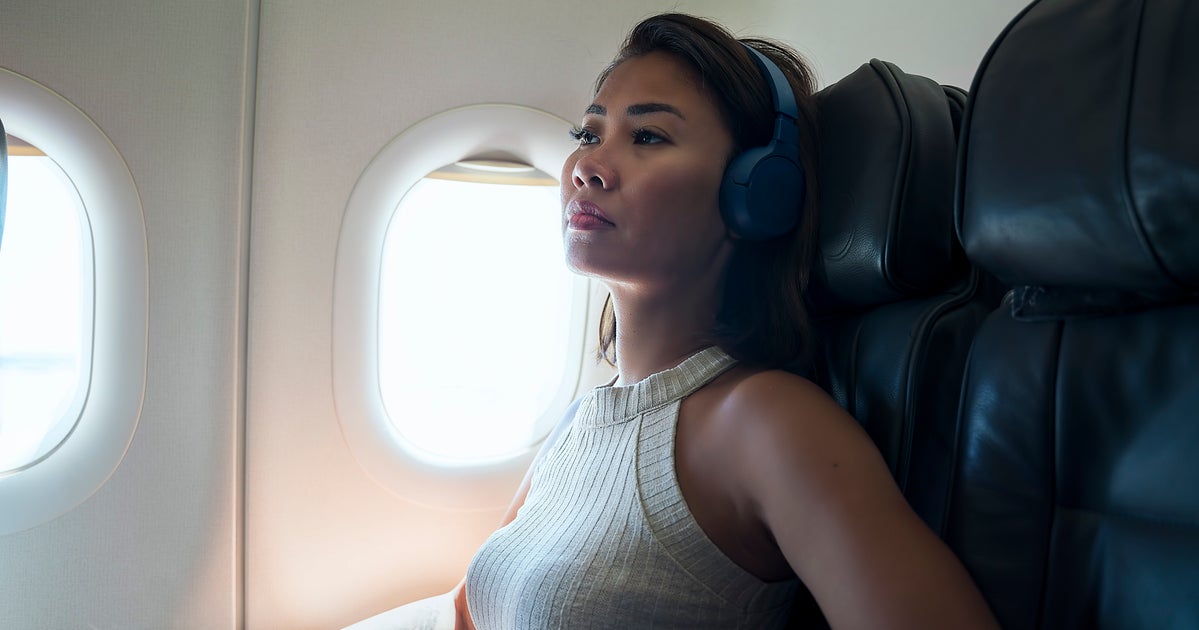
## Navigating the Long Game: Why Flight Comfort Matters to the Modern Traveler The recent piece highlighting common mistakes on long-haul flights 10 Ways to Make a Long Flight More Comfortable resonates deeply with the evolving expectations of the modern traveler – an audience we at Hanalei Bay Country Club understand implicitly. We cater to individuals who prioritize seamless, elevated experiences, and that extends far beyond the destination itself. The article’s focus on seemingly minor details – hydration, movement, sleep hygiene – underscores a larger shift: travelers are increasingly demanding comfort and well-being as integral components of their journeys. It’s no longer sufficient to simply *arrive* at a luxurious destination; the journey there must be enjoyable, restorative, even luxurious in its own right. This isn’t just about pampering; it’s about recognizing the cumulative impact of travel stress on overall well-being, particularly for those who value adventure and exploration. Consider the discerning traveler who spends days trekking through a rainforest or mastering a new surf break – a depleted state upon arrival diminishes the entire experience. Similarly, the piece’s mention of noise-canceling headphones and comfortable clothing – items once considered optional luxuries – are now essential tools for maintaining focus and tranquility amidst the chaos of air travel. We've noticed this trend as well, with more of our guests seeking out private transportation options and pre-arranged wellness activities upon arrival to mitigate travel fatigue and maximize their time enjoying the island. The experts cited in the article correctly identify the psychological aspect of long-haul travel. Boredom, anxiety, and a sense of confinement can significantly impact mood and energy levels. Simple strategies like breaking down the journey into manageable segments, engaging in mindful activities, and utilizing in-flight entertainment effectively address these concerns. This speaks directly to the Hanalei Bay ethos – creating a sense of adventure and discovery even within seemingly restrictive environments. Think of it as extending the spirit of exploration beyond the island’s shores. We curate experiences that cater to individual preferences, whether it's a private yoga session overlooking the bay or a personalized culinary journey through local farmers' markets. The same principle applies to air travel: proactively managing the discomfort and monotony transforms a potentially draining ordeal into a more positive and productive prelude to the adventure ahead. It’s about recognizing that the journey is part of the story, not merely a means to an end, and tailoring the experience to reflect that understanding. Furthermore, the increasing awareness of jet lag and its impact on performance and enjoyment highlights the growing sophistication of the travel consumer. For those prioritizing peak performance, whether it's hitting the golf course or exploring hidden waterfalls, arriving well-rested is paramount. Related to this, consider the growing interest in sleep optimization strategies for travel, as outlined in The Science of Sleep and How to Get More of It. The broader significance of this development lies in its implications for the entire travel industry. Airlines, hotels, and destination management companies are increasingly recognizing that traveler well-being is a key differentiator. Expect to see more emphasis on in-flight comfort amenities, personalized wellness programs, and seamless transition services. The rise of "slow travel" – prioritizing meaningful experiences over rapid itinerary accumulation – further reinforces this trend. Travelers are less interested in ticking off destinations on a list and more invested in immersing themselves in a culture, connecting with local communities, and returning home feeling refreshed and rejuvenated. This shift necessitates a holistic approach to travel planning, one that considers not just the destination but also the entire journey. We see this reflected in the increasing demand for bespoke travel planning services that address individual needs and preferences, ensuring a seamless and stress-free experience from start to finish. The article’s simple yet effective advice – prioritizing hydration, movement, and sleep – represents a foundational element of this holistic approach, and its widespread adoption signals a maturing of the travel landscape. Looking ahead, the convergence of technology and wellness will likely revolutionize the long-haul flight experience. Imagine personalized in-flight environments that adjust lighting, temperature, and even aromatherapy based on individual biometric data. Virtual reality programs could offer immersive relaxation experiences, while AI-powered assistants could provide personalized travel recommendations and support.
Read on the original site
Open the publisher's page for the full experience