The Local Scoop at Asato’s
Our take
The recent unveiling of Neale Asato’s exclusive, hour-long tasting menu featuring familiar local snacks like crack seed and shave ice for $58 has sparked a fascinating conversation about Hawaiian culinary identity and the evolving landscape of Waikiki dining. Initially, skepticism was understandable – can childhood favorites truly justify a premium price point? However, this move isn't merely about the cost of shave ice; it’s a deliberate act of cultural preservation and a bold statement about the value of authentic Hawaiian experiences. It echoes sentiments expressed in “Aloha Matters at Waikīkī Malia,” Aloha Matters at Waikīkī Malia which highlights the importance of genuine hospitality in an increasingly automated travel world, suggesting that Asato's is responding to a growing desire for deeper connection and meaningful interactions. This curated tasting is, in essence, a concentrated dose of nostalgia, a chance for both locals and visitors to reconnect with flavors that define home.
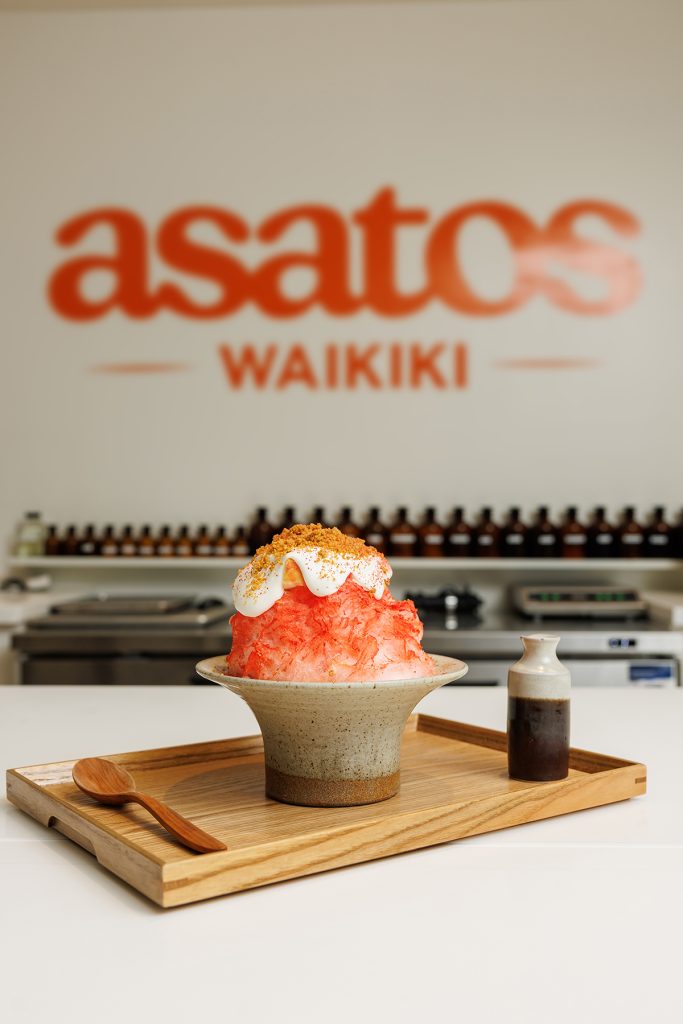
The brilliance of Asato’s approach lies in its ability to elevate the everyday. Crack seed, shave ice, and other local staples are deeply embedded in Hawaiian culture – they're memories, traditions, and symbols of community. Presenting these items in a refined, tasting-menu format transforms them from simple treats into culinary artifacts, worthy of appreciation and celebration. This aligns with the growing trend of chefs worldwide embracing their heritage and showcasing regional specialties with creativity and precision. The success of this venture will likely depend on the execution – the quality of the ingredients, the storytelling behind each dish, and the overall experience delivered. The demand for unique and immersive experiences is undeniable, as evidenced by the popularity of articles like “The 5 Best Hikes on Oʻahu in 2026,” The 5 Best Hikes on Oʻahu in 2026 which highlights the desire to explore and connect with the island’s natural beauty – a parallel to the desire to connect with its culinary heritage. It’s about more than just eating; it’s about experiencing the heart of Hawai’i.
What’s particularly significant is the potential ripple effect this could have on Waikiki’s dining scene. For years, the area has been synonymous with tourist-focused restaurants serving predictable fare. Asato’s tasting menu represents a challenge to that status quo, demonstrating that there’s a market for authentic, locally-inspired cuisine that celebrates Hawaiian culture. It's a signal to other chefs and restaurateurs that embracing their heritage can be both artistically fulfilling and commercially viable. This shift could lead to a more diverse and vibrant culinary landscape, one that caters to both visitors seeking genuine experiences and locals eager to celebrate their own traditions. The move could inspire a re-evaluation of what constitutes "luxury" in Hawaiian hospitality, moving beyond opulent amenities to prioritize authentic cultural immersion.
Ultimately, the success of Asato's tasting menu is a test case for the future of Hawaiian cuisine in Waikiki. It's a question of whether there's a genuine appetite for deeper cultural experiences, even if they come at a premium. Will other establishments follow suit, embracing their heritage and elevating local ingredients? Or will Waikiki remain a culinary echo chamber of familiar, predictable offerings? The answer, and the evolution of the dining scene, will undoubtedly shape the future of the island’s culinary identity and the type of experiences it offers to the world.
This story was originally published in our SUMMER Digital issue, which you can view here.
When Neale Asato launched an exclusive hourlong tasting menu at Asato’s Waikīkī with the kind of local snacks most of us grew up with, I was skeptical.
Crack seed and shave ice for $58? Who’s gonna sign up for that?
Apparently, a lot of people.
The Flavor Lab, which takes over a counter at the sherbet shop inside an apparel store on Kalākaua Avenue, features a three-course omakase menu and just four seats. The menu is offered twice a day, Wednesday through Sunday. Reservations are required and open seven days in advance starting at noon on Open Table. And good luck trying to snag one. They sell out almost immediately.
Photo: Aaron K. Yoshino
“It’s been a good way to showcase a lot of things I grew up eating,” says Asato, 39, who fondly recalls visiting candy and crack seed shops in ‘Āina Haina and Kaimukī on O‘ahu as a kid. “Even a lot of locals haven’t tried all the different li hing mui and lemon peel, so this allows them to taste them side by side.”
The concept makes sense for Asato, who, since 2017, has been cleverly turning favorite small-kid flavors—White Rabbit candy, pickled mango, li hing sour belts—into sherbet or sorbet.
He launched Asato Family Shop in 2017, offering sherbets through subscription, then opened a small takeout shop in Downtown two years later. It wasn’t uncommon to see more than 100 people waiting in line to buy pints of his nostalgic flavors.
In November 2025 he opened a small shop within Kings & Queens, a boutique in the Hyatt Regency Waikīkī Beach Resort & Spa, located directly across the street from the Duke Kahanamoku statue. Asato’s Waikīkī serves scoops of sherbet and sorbet ($6 each) in flavors like pineapple, matcha, ube, lychee and li hing lemon. The strawberry flavor is inspired by the nearly century-old guri-guri frozen dessert from Tasaka Guri Guri on Maui, and Green River is a sherbet version of the bright neon-green soda that was once a staple at Hawai‘i drive-ins and soda fountains. The flavors here rotate based on seasons—lychee and mango are summer finds—and whim. To date, Asato has created more than 240 flavors, any of which can find their way onto the menu here.
In January Asato, a semifinalist for the 2026 James Beard Award for Outstanding Pastry Chef, opened Flavor Lab, flexing the culinary skills he’s honed through years of working in kitchens on O‘ahu. It’s truly like nothing I’ve ever experienced, as if a crack seed shop had a chef’s counter.
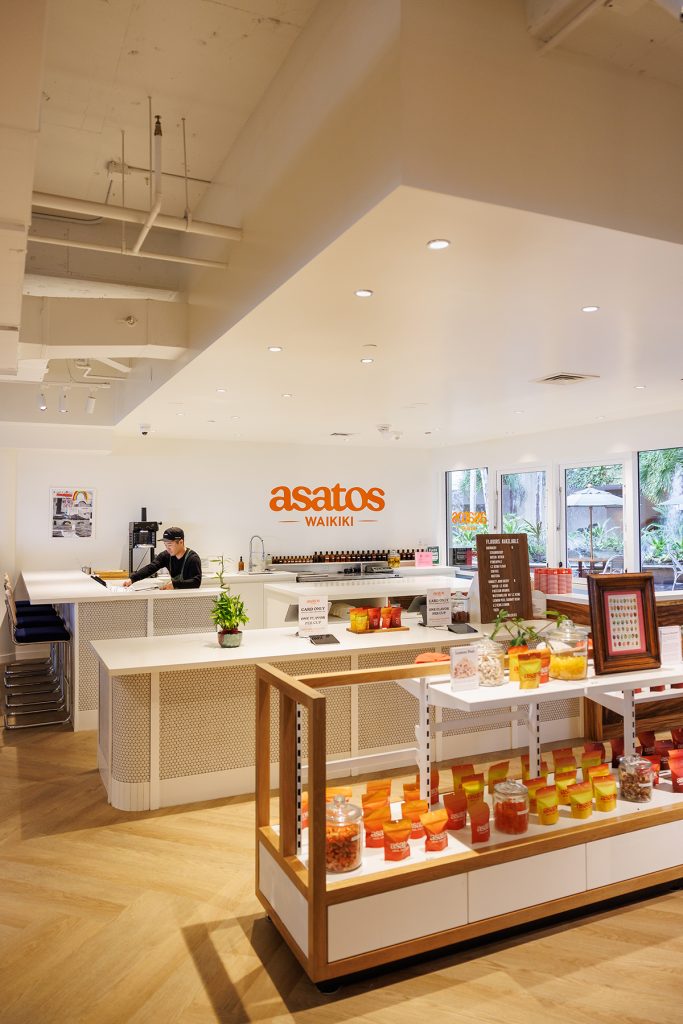
Photo: Aaron K. Yoshino
The three-course menu starts with a sampling of crack seed staples like dried lemon peel and li hing watermelon. It’s served alongside a cube of rainbow gelatin made from melted gummy bears and is reminiscent of the layered Jell-O you’d often see at potlucks across the Islands. Asato says the experience is like sampling your way through a crack seed store.
The second course is a make-yourself soda, where you add apothecary tinctures to housemade syrups to adjust the flavor. And the finale is an over-the-top kakigori, or Japanese-style shave ice. The bowl of fluffy ice is topped with a sort of crème brûlée or chucks of crunch cake.
The business has grown since he started churning out sherbet at home in 2017, and Asato says it helps him to remain creative. “I wish I had more time to do this kind of stuff,” he says. After this experience, tI can’t imagine anything more inventive than this.
Open daily, 11 a.m.-9 p.m., inside Kings & Queens at Hyatt Regency Waikīkī Beach Resort & Spa, 2424 Kalākaua Ave., Honolulu, asatos.com.
Catherine Toth Fox is the former editor of HAWAIʻI Magazine and continues to contribute to the website and print publication.
Read on the original site
Open the publisher's page for the full experience