ʻOno in the Kitchen: Pastele Stew from Chef Sheldon Simeon
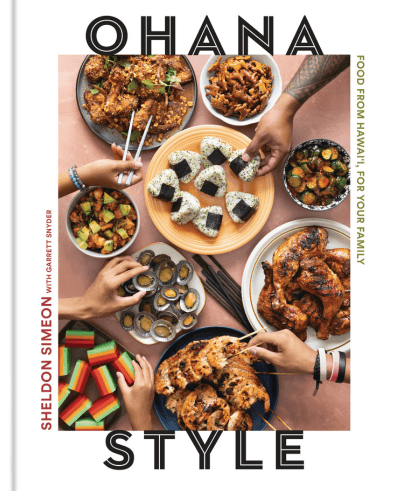
Beloved chef and two-time “Top Chef” fan favorite Sheldon Simeon is inviting readers back into his kitchen this spring.
Available on March 31, 2026, Simeon’s second cookbook “Ohana Style,” includes more than 100 unfussy, flavorful recipes that celebrate the multifaceted traditions of Hawaiʻi. From weeknight dinners to big gatherings, the cookbook delivers approachable, local recipes rooted in ʻohana. Embracing the rhythms of everyday life, these dishes are created with the home cooks in mind—those feeding their families, friends and community.
(You can preorder a copy on Amazon here.)
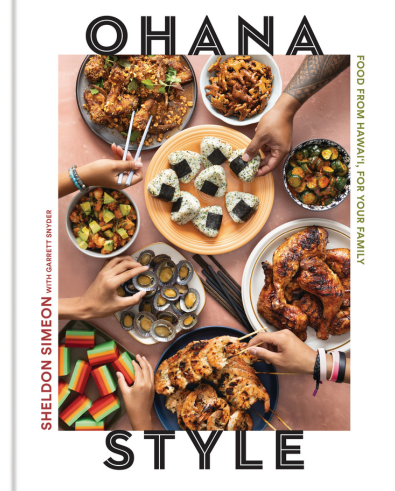
Photo: Courtesy of Clarkson Potter Publishers/Kevin Miyazaki
Born in Hilo and now based on Maui, Simeon opened the popular lunch spot Tin Roof in Kahului. In 2022, he and his wife, Janice, purchased Tiffany’s Restaurant and Bar in Wailuku, breathing new energy into the iconic establishment while preserving its spirit.
READ MORE: This Popular Maui Restaurant Gets a “Top Chef” Makeover
For Simeon—and many locals in Hawaiʻi —‘ohana extends beyond family in the literal sense. The term includes friends, neighbors, coworkers and the larger community. This ethos is felt on every page of the cookbook, inspired by the years Simeon spent cooking for his ‘ohana during the COVID-19 pandemic. He prepared three meals a day for his wife and four children while also supporting his restaurant crew and community.
Reflecting on what it means to cook as a professional chef and a dad, Simeon creates a collection of dishes that are simple to make but not at all simplistic. You can feel the heart that goes into these meals. Whether it’s a weeknight dinner or a big potluck, these dishes are meant to bring joy into every table.
READ MORE: Chef Sheldon Simeon’s Second Cookbook is For Everyone
And the chef weaves personal stories with approachable local recipes—including a comforting pastele stew that traces Hawaiʻi’s rich, multicultural roots.
Simeon shares a recipe for pastele stew along with an excerpt from his new cookbook.
The chef writes, “If you grew up in Hawai‘i, you probably have a soft spot for pastele stew. It’s a dish that only exists here in the islands—and like many dishes here, there’s a miniature history lesson behind it. For those unfamiliar with pasteles, they’re to Puerto Rican cuisine what tamales are to Mexican cuisine, made using masa from plantains instead of corn and stuffed with pork. When immigrants from Puerto Rico arrived to work in Hawai‘i in the 1900s, they soon found there were no plantains around, so they improvised with green bananas (and sometimes taro) and wrapped them in the ti leaves that were abundant.
The Puerto Rican families we knew could be relied upon for a steady supply of pasteles during the holidays, and we’d occasionally see them sold out of roadside coolers as well. But, as anyone who’s made tamales from scratch will tell you, making pasteles is a lot of work, which is where pastele stew comes from. It can be made rather quickly and provides a way to enjoy the flavors of pastele with far less work. These days, the simple everyday stew tends to dominate, and frankly, we’re all happy with it.
For pastele stew, the traditional ratio gets flipped—rather than unripe plantains filled with pork, the main element is chunks of pork thickened with grated green bananas. The common bananas found at any supermarket will work in this case, just be sure to grab the most completely green and unripe ones you can find, so they’re at their starchiest.”
Pastele Stew
Serves 8
Ingredients:
- 3 tablespoons neutral oil, plus more as needed
- 3 pounds boneless pork butt or shoulder, cut into ¾-inch cubes
- 2 teaspoons kosher salt, plus more to taste
- 1 large red bell pepper, roughly chopped
- 2 jalapeños, halved and seeded 6 cloves garlic, peeled but whole
- 2 medium sweet onions, roughly chopped
- 2 bunches of cilantro
- 1 tablespoon ground cumin
- 1 tablespoon dried oregano
- 1 teaspoon gochugaru (Korean chile flakes) or red chile flakes
- ½ teaspoon freshly ground black pepper, plus more to taste
- ½ teaspoon ground annatto
- 1 large green bell pepper, roughly chopped
- 1 (14.5-ounce) can diced tomatoes 1 (15-ounce) can tomato sauce
- 1 pound very green bananas
- Boiling water, as needed
- 2 (6-ounce) cans black olives, drained
- Tabasco
- Cooked white rice, for serving
Directions:
In a large pot or Dutch oven, heat 2 tablespoons of the oil over medium-high heat until shimmering. Add the pork and season with salt. Cook, stirring occasionally, until the pork has browned all over and rendered some of its fat, 15 to 20 minutes. Make sure to scrape the bottom of the pot as you stir.
Meanwhile, in a food processor or blender, combine the red bell pepper, jalapeños, garlic, half of the chopped onion, 1 bunch of the cilantro (with stems), and the remaining 1 tablespoon oil. Pulse until everything is finely chopped and a loose paste forms. This is your sofrito.
Transfer the browned pork to a plate. There should be a good layer of fat and oil at the bottom of the pot; if not, drizzle in enough oil to completely coat the pot. With the heat still at medium-high, add the cumin, oregano, gochugaru, black pepper, annatto, and the sofrito from the blender. Cook, stirring frequently, until most of the moisture has evaporated and the paste starts to brown on the edges, 3 to 4 minutes.
Add the green bell pepper and the remaining chopped onion and cook, stirring often, until slightly softened, another 3 to 4 minutes.
Return the browned pork to the pot, add the diced tomatoes and tomato sauce, and bring it to a boil. Reduce the heat to a simmer, partially cover, and continue cooking, stirring occasionally, for about 10 minutes while you prepare the green bananas.
Trim the ends from the green bananas and slice the skins all the way down lengthwise on each side. Soak the unpeeled green bananas in just-boiled water for 5 minutes, then transfer to a plate (this makes the skin easier to peel). Once cooled, peel the bananas and finely grate (using a box grater) into a large bowl.
After the stew has been simmering for about 10 minutes, stir in the grated bananas, making sure no large clumps remain. Continue cooking, stirring occasionally, until the pork is tender and the stew has thickened, another 20 minutes.
Finely chop the remaining bunch of cilantro and add to the stew, along with the black olives. Cook for another minute or so, just until the olives are heated through. Season with salt, pepper, and Tabasco to taste. Serve hot with rice.
You can preorder a copy of “Ohana Style,” on Amazon here. For more information and other presale options, visit here.
Reprinted with permission from Ohana Style: Food from Hawai’i, for Your Family by Sheldon Simeon; with Garrett Snyder, copyright © 2026. Published by Clarkson Potter Publishers, an imprint of Penguin Random House.
Photographs copyright © 2026 by Kevin Miyazaki
ʻOno at Home is HAWAIʻI Magazine’s recipe series that brings the flavors of the Islands to you, wherever you are in the world.
Want to read more?
Check out the full article on the original site