NATO Allies Reject Trump’s Iran Blockade Plan, Back Post-War Strait Of Hormuz Mission
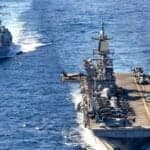


NATO allies have refused to join US President Donald Trump’s plan to blockade Iranian ports, instead proposing a multinational mission to secure the Strait of Hormuz after the ongoing conflict ends.
The US announced the blockade would begin on Monday after talks over the six-week conflict with Iran failed to produce a ceasefire. Trump said the US military would target any Iranian vessels approaching the blockade zone.
While initial statements suggested an effort to restrict shipping through the strait, US officials later clarified that the measures apply only to vessels entering or leaving Iranian ports.
Since the conflict began on February 28, Iran has largely restricted access to the Strait of Hormuz for foreign vessels, allowing passage primarily for its own ships.
The move has raised concerns across the maritime sector, as the route handles roughly one-fifth of global oil shipments and remains one of the world’s most critical chokepoints for tanker traffic.
Despite pressure from Washington, key NATO members including the UK and France declined to participate in the blockade. British Prime Minister Keir Starmer said the UK would not be drawn into the conflict, despite what he described as considerable pressure.
NATO Secretary General Mark Rutte has reportedly urged member states to consider commitments to secure the strait. However, consensus within the 32-member alliance remains uncertain, particularly while active hostilities continue.
European countries have instead focused on a separate plan to restore safe navigation once fighting stops. French President Emmanuel Macron said France would host talks with partners to establish a multinational, defensive mission aimed at reopening the waterway.
The proposed operation would involve naval coordination to escort commercial vessels, particularly oil tankers, and set clear rules for safe passage.
Officials stressed that the mission would remain independent of the conflict and would not involve direct participation from either the US or Iran.
A preparatory meeting involving around 30 countries, including Gulf nations, India, Greece, Spain, Italy, the Netherlands and Sweden, is expected to take place in Paris or London in the coming days.
The initiative aims to provide reassurance to shipowners and operators while maintaining freedom of navigation through the strait.
As per diplomatic sources, the mission would only be deployed after a durable ceasefire and assurances from Iran that international vessels would not be targeted.
Meanwhile, tensions between Washington and its allies have grown. Trump has previously threatened to reassess US commitments to NATO and is considering reducing troop presence in Europe, particularly after some countries denied airspace access for US operations linked to Iran.
Turkey has also called for a diplomatic solution, with Foreign Minister Hakan Fidan stating that reopening the Strait of Hormuz through negotiations would be more effective than deploying an international force.
References: Reuters, news18
Want to read more?
Check out the full article on the original site