IEA Warns Iran-US-Israel War Is Causing Biggest Energy Crisis In History
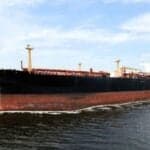


The conflict involving Iran, the United States and Israel is creating what the International Energy Agency (IEA) has described as the biggest energy crisis in history.
IEA Executive Director Fatih Birol said on Tuesday that the current crisis could exceed the severity of previous global energy shocks, citing simultaneous pressure on oil and gas supplies alongside the continuing fallout from Russia’s war in Ukraine.
Speaking to France Inter radio, Birol said the world was facing “the biggest crisis in history”, adding that the current turmoil combines the effects of both petrol and gas crises.
Maritime traffic through the Strait of Hormuz remains under strain due to the ongoing conflict.
The waterway carries around one-fifth of global oil and liquefied natural gas flows, making it one of the world’s most critical shipping chokepoints.
Security concerns in the region have increased risks for tanker operators, shipowners and energy markets, with the disruption adding pressure to supply chains already affected by geopolitical tensions elsewhere.
Birol had earlier said current conditions in global energy markets could be worse than the combined crises of 1973, 1979 and 2022.
In March, the IEA agreed to release a record 400 million barrels of oil from strategic stockpiles in an effort to counter rising prices linked to the Iran conflict.
Oil markets, meanwhile, have reacted sharply to developments in the region. Brent crude hovered near $95 a barrel after surging nearly 6% earlier in the week, as traders weighed the prospects of negotiations between Washington and Tehran against the risk of further escalation.
Markets have also been watching diplomatic efforts ahead of a ceasefire deadline on Wednesday, though uncertainty remains over whether Tehran will take part in a second round of talks.
US President Donald Trump said Vice President JD Vance was prepared to travel to Pakistan for negotiations, while warning military action could resume if no agreement is reached.
Any prolonged disruption to tanker movements through the passage could affect crude exports from Gulf producers, raise freight costs and increase pressure on already volatile energy markets.
Shipowners and operators have been closely monitoring security conditions in the region as the standoff continues, particularly as risks to commercial shipping remain tied to both military escalation and uncertainty over the future of oil transit through Hormuz.
References: Reuters, Hindustan Times
Want to read more?
Check out the full article on the original site